20. ceremonia wręczenia Oscarów
 | |||
| Data | |||
|---|---|---|---|
| Miejsce | |||
| Prowadzenie | |||
| Nawigacja | |||
| |||
20. ceremonia rozdania Oscarów odbyła się 20 marca 1948 roku w Shrine Auditorium w Los Angeles.
Laureaci i nominowani
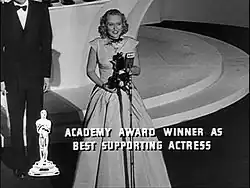

Dla wyróżnienia zwycięzców poszczególnych kategorii, napisano ich pogrubioną czcionką oraz umieszczono na przedzie (tj. poza kolejnością nominacji na oficjalnych listach).
- wytwórnia: 20th Century Fox − Dżentelmeńska umowa
- wytwórnia: Samuel Goldwyn Studio − Żona biskupa
- wytwórnia: RKO Radio Pictures − Krzyżowy ogień
- wytwórnia: Rank-Cineguild − Wielkie nadzieje
- wytwórnia: 20th Century Fox − Cud na 34. ulicy
- Loretta Young − Córka farmera
- Joan Crawford − Opętana
- Susan Hayward − Smash-Up--The Story of a Woman
- Dorothy McGuire − Dżentelmeńska umowa
- Rosalind Russell − Żałoba przystoi Elektrze
- Sidney Sheldon − The Bachelor and the Bobby-Soxer
- Abraham Polonsky − Ostatnia runda
- Ruth Gordon i Garson Kanin − Podwójne życie
- Charlie Chaplin − Pan Verdoux
- Sergio Amidei, Adolfo Franci, Cesare Giulio Viola i Cesare Zavattini − Dzieci ulicy
Najlepsze Materiały do Scenariusza
- Valentine Davies − Cud na 34. ulicy
- Georges Chaperot i Rene Wheeler − Klatka słowicza
- Herbert Clyde Lewis i Frederick Stephani − It Happened on Fifth Avenue
- Eleazar Lipsky − Pocałunek śmierci
- Dorothy Parker i Frank Cavett − Smash-Up--The Story of a Woman
- George Seaton − Cud na 34. ulicy
- Richard Murphy − Bumerang
- John Paxton − Krzyżowy ogień
- Moss Hart − Dżentelmeńska umowa
- David Lean, Anthony Havelock-Allan i Ronald Neame − Wielkie nadzieje
Film Czarno-Biały
- Guy Green − Wielkie nadzieje
- Charles Lang − Duch i pani Muir
- George Folsey − Ulica zielonego delfina
Film Kolorowy
- Jack Cardiff − Czarny narcyz
- Peverell Marley i William V. Skall − Życie z ojcem
- Harry Jackson − Mama nosiła trykoty
Najlepsza Scenografia i Dekoracja Wnętrz
Film Czarno-Biały
- John Bryan i Wilfred Shingleton − Wielkie nadzieje
- Lyle Wheeler, Maurice Ransford, Thomas Little i Paul S. Fox − The Foxes of Harrow
Film Kolorowy
- Alfred Junge − Czarny narcyz
- Robert M. Haas i George James Hopkins − Życie z ojcem
Najlepszy Dźwięk
- Samuel Goldwyn Studio Sound Department, reżyser dźwięku: Gordon Sawyer − Żona biskupa
- Metro-Goldwyn-Mayer Studio Sound Department, reżyser dźwięku: Douglas Shearer − Ulica zielonego delfina
- Sound Service, Inc., reżyser dźwięku: Jack R. Whitney − T-Men
- „Zip-A-Dee-Doo-Dah” − Pieśń Południa − muzyka: Allie Wrubel, słowa: Ray Gilbert
- „A Gal in Calico” − The Time, the Place and the Girl − muzyka: Arthur Schwartz, słowa: Leo Robin
- „I Wish I Didn't Love You So” − The Perils of Pauline − muzyka i słowa: Frank Loesser
- „Pass That Peace Pipe” − Good News − muzyka i słowa: Ralph Blane, Roger Edens i Hugh Martin
- „You Do” − Mama nosiła trykoty − muzyka: Josef Myrow, słowa: Mack Gordon
Dramat
- Miklós Rózsa − Podwójne życie
- Hugo Friedhofer − Żona biskupa
- Alfred Newman − Szpada Kastylii
- David Raksin − Forever Amber
- Max Steiner − Życie z ojcem
Musical
- Alfred Newman − Mama nosiła trykoty
- Johnny Green − Fiesta
- Ray Heindorf i Max Steiner − My Wild Irish Rose
- Robert Emmett Dolan − Droga do Rio
- Daniele Amfitheatrof, Paul J. Smith i Charles Wolcott − Pieśń Południa
Najlepszy Montaż
- Francis Lyon, Robert Parrish − Ostatnia runda
- Monica Collingwood − Żona biskupa
- Harmon Jones − Dżentelmeńska umowa
- George White − Ulica zielonego delfina
- Fergus McDonell − Niepotrzebni mogą odejść
Najlepsze Efekty Specjalne
- wizualne: A. Arnold Gillespie i Warren Newcombe, dźwiękowe: Douglas Shearer i Michael Steinore − Ulica zielonego delfina
- wizualne: Farciot Edouart, Devereux Jennings, Gordon Jennings, Wallace Kelley i Paul Lerpae, dźwiękowe: George Dutton − Unconquered
Najlepszy Krótkometrażowy Film Animowany
- Edward Selzer − Tweetie Pie (z serii Zwariowane melodie)
- Walt Disney − Chip An’ Dale (z serii o Chipie i Dale’u)
- Frederick Quimby − Doktor Jekyll i Mister Mysz (z serii Tom i Jerry)
- Walt Disney − Pluto meloman (z serii o Psie Pluto)
- George Pal − Tubby the Tuba (z serii Puppetoons)
Najlepszy Krótkometrażowy Film na Jednej Rolce
- Herbert Moulton − Goodbye, Miss Turlock
- Thomas Mead − Brooklyn, U.S.A.
- Jerry Fairbanks − Moon Rockets
- Pete Smith − Now You See It
- Gordon Hollingshead − So You Want to Be in Pictures
Najlepszy Krótkometrażowy Film na Dwóch Rolkach
- Irving Allen − Climbing the Matterhorn
- Harry Grey − Champagne for Two
- Thomas Mead − Fight of the Wild Stallions
- Herbert Morgan − Give Us the Earth
- Ben Blake − A Voice Is Born: The Story of Niklos Gafni
Najlepszy Film Dokumentalny
Krótkometrażowy
- United Nations Division of Films and Visual Information − First Steps
- Frederic Ullman Jr. − Passport to Nowhere
- Australian News & Information Bureau − School in the Mailbox
Pełnometrażowy
- Sid Rogell, Theron Warth i Richard O. Fleischer − Design for Death
- United States Department of State Office of Information and Educational Exchange − Journey into Medicine
- Paul Rotha − The World Is Rich

- płk. Willim N. Selig, Albert E. Smith, Thomas Armat i George K. Spoor – Za pionierską działalność filmową
- Bill And Coo – Wybitne osiągnięcie w dziedzinie filmu dziecięcego
- James Baske – Za rolę wujka Remusa w filmie Pieśń Południa
Nagrody Naukowe i Techniczne
Klasa II
- C. C. Davis i Electrical Research Products Division of Western Electric Company − Za opracowanie i wprowadzenie ulepszonego systemu filtra napędu taśmy
- C. R. Daily i Paramount Studio Film Laboratory, Still and Engineering Departments − Za opracowanie i pierwsze praktyczne zastosowanie w filmie i fotografii metody zwiększania czułości kliszy, zaproponowanej przez E. I. duPont de Nemours & Company
Klasa III
- Nathan Levinson i Warner Bros. Studio Sound Department − for the design and construction of a constant-speed sound editing machine. [Sound]
- Farciot Edouart, C. R. Daily, Hal Corl, H.G. Cartwright i Paramount Studio Transparency and Engineering Departments − for the first application of a special anti-solarizing glass to high-intensity background and spot arc projectors. [Lighting]
- Fred Ponedel z Warner Bros. − for pioneering the fabrication and practical application to motion picture color photography of large translucent photographic backgrounds. [Special Photographic]
- Kurt Singer i RCA Victor Division of Radio Corporation of America − for the design and development of a continuously variable band-elimination filter. [Sound]
- James Gibbons z Warner Bros. − for the development and production of large dyed plastic filters for motion picture photography. [Lighting]
Przypisy
- ↑ przyznana jako nagroda specjalna
Linki zewnętrzne
- Informacje o ceremonii (ang.)